



9 Best AI Market Research Platforms for Faster Insights

AI market research platforms help teams move faster from question → insight → decision by reducing manual work across surveys, analysis, and reporting. Tools like SurveySensum, Quantilope, and Qualtrics differ in speed, depth, and workflow – so the real choice is not AI vs no AI, but which platform actually removes friction from your research process.
Request a Demo
AI has changed how market research teams work.
What used to take days of scripting, analysis, and reporting can now be done with far less manual effort.
That is why more teams are now evaluating AI market research platforms that can help them:
- build better surveys faster,
- catch bad data earlier,
- analyze open-ended responses at scale,
- and turn raw responses into reports decision-makers can actually use.
The best ones do more than add AI as a feature, they reduce effort across the workflow, from idea to insight.
If your team wants faster research without more manual effort, SurveySensum is one of the strongest options to consider.
It is built for teams that want to move from brief to boardroom-ready insights quickly, with AI helping across survey creation, study execution, analysis, and reporting.
Who this list is for
This guide is for teams that need faster answers, not longer research cycles.
- Product marketing teams validating messaging and positioning
- Insights teams running concept, ad, or product testing
- CX teams expanding into market research
- Founders and growth teams making fast decisions
If your goal is to move from question → insight → decision quickly, this list will help.
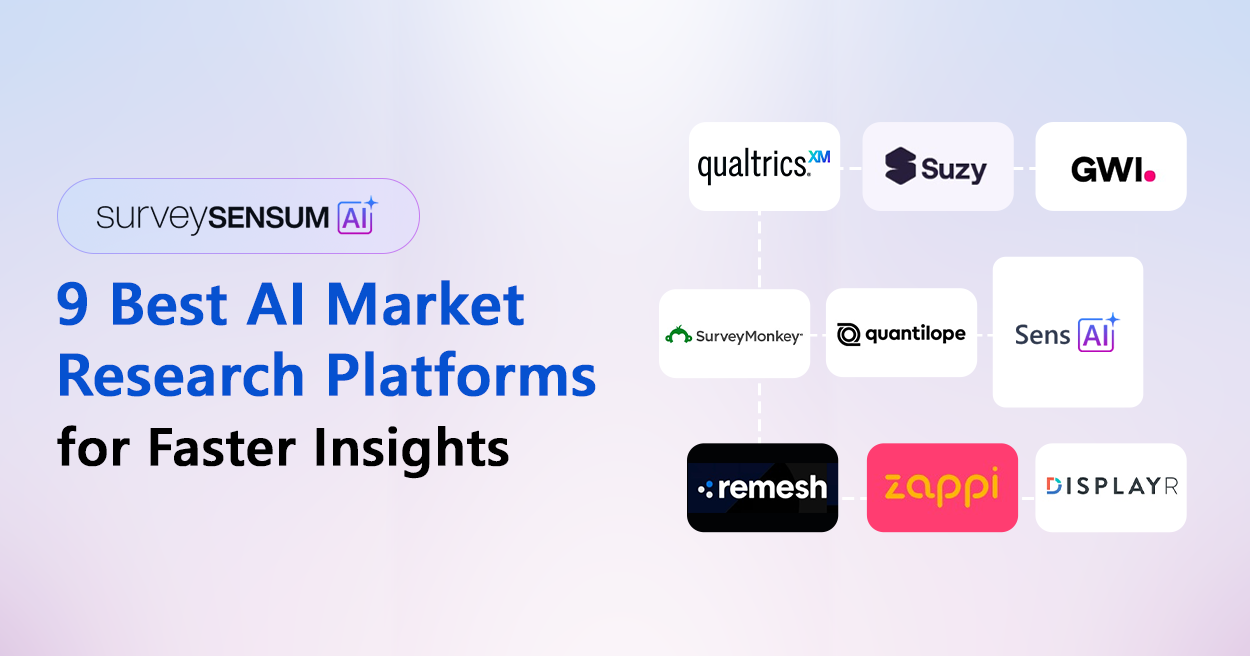
Quick Comparison: Best AI Market Research Platforms
|
Platform |
Best for |
Strongest AI angle |
Good fit if you need |
|
Fast DIY research |
AI questionnaire creation, automated analysis, data quality, faster reporting |
One platform for research setup to insight delivery |
|
|
Quantilope |
Quant research automation |
AI-assisted survey design and automated methodologies |
Structured quant studies with advanced methods |
|
Qualtrics |
Enterprise-scale research programs |
AI-powered experience and research workflows |
Large organizations with complex research operations |
|
SurveyMonkey |
Simple research |
AI-supported survey and research workflows |
Simpler research setup across teams |
|
GWI Spark |
Consumer insights |
AI-powered audience and market insight exploration |
Existing audience intelligence and market discovery |
|
Zappi |
Innovation testing |
AI-supported concept and ad testing workflows |
Creative, concept, and innovation testing |
|
Suzy |
Fast consumer feedback |
AI-supported rapid insights workflow |
Quick-turn research with audience access |
|
Remesh |
Conversational qualitative research |
AI-assisted conversation analysis |
Large-scale qualitative studies |
|
Displayr |
Analysis and reporting |
AI-powered analysis and reporting support |
Turning research data into presentations and dashboards |
Best AI market research platforms at a glance
If you want a quick recommendation:
- Fast, AI-led research with end-to-end workflow support → SurveySensum
- Automated quantitative research → Quantilope
- Enterprise research programs → Qualtrics
- Simple survey-based research → SurveyMonkey
- Audience and consumer insights → GWI Spark
- Concept and innovation testing → Zappi
- Quick-turn insights → Suzy
- Qualitative research at scale → Remesh
Analysis and reporting → Displayr
👉 Start with SurveySensum if speed and AI-led workflows matter most
Why teams are moving toward AI market research platforms
Most research teams do not struggle because they lack data.
They struggle because the workflow is slow.
The real friction usually sits in places like:
- turning a brief into a usable questionnaire,
- checking logic and structure,
- cleaning low-quality responses,
- tagging open text,
- summarizing findings,
- and converting insight into something stakeholders can act on.
That is exactly why AI has become such a strong decision factor in the category. Recent market coverage and vendor positioning now consistently frame AI research tools around faster survey creation, automation, insight generation, and cost efficiency.
If your team wants to launch studies faster without depending on researchers, agencies, or analysts for every step, this is the right category to evaluate.
And if you want one platform that combines:
- research-grade survey creation,
- AI support,
- automated data quality,
- and faster reporting,
then SurveySensum should be high on your shortlist.
If your team is spending more time analyzing than deciding, that’s usually a tooling problem.
👉 Explore how SurveySensum reduces the effort across survey, analysis, and reporting
What to look for in an AI market research platform
Before you pick a tool, look beyond the phrase “AI-powered.”
A lot of platforms use AI in marketing. Fewer use it in ways that genuinely reduce research effort.
Here is what actually matters:
1. AI that builds research-ready surveys
The platform should help convert a research brief into a solid questionnaire, not just generate generic questions.
2. AI that improves speed without reducing research quality
Fast is useful only if the survey logic, question flow, and design remain reliable.
3. Automated data quality checks
Bad respondents and poor-quality data can destroy a study. AI should help flag or reduce that risk. AI should detect:
- rushed responses
- inconsistent answers
- poor-quality data
4. Strong open-ended analysis at scale
No one wants to read 1,000 comments manually. You should be able to extract themes, patterns, and summaries without manually reading every response.
5. Reporting that moves from insight to action
Not dashboards.
Insights.
The best tools help you create usable summaries and stakeholder-ready outputs, not just dashboards.
6. Flexibility across research use cases
The platform should support more than one type of study, such as concept testing, ad testing, product testing, or usage and attitude studies.
These criteria align closely with how SurveySensum currently positions its market research platform: faster survey creation from a brief, AI-assisted workflows, automated quality checks, and faster report generation.
Best AI Market Research Platforms
1. SurveySensum
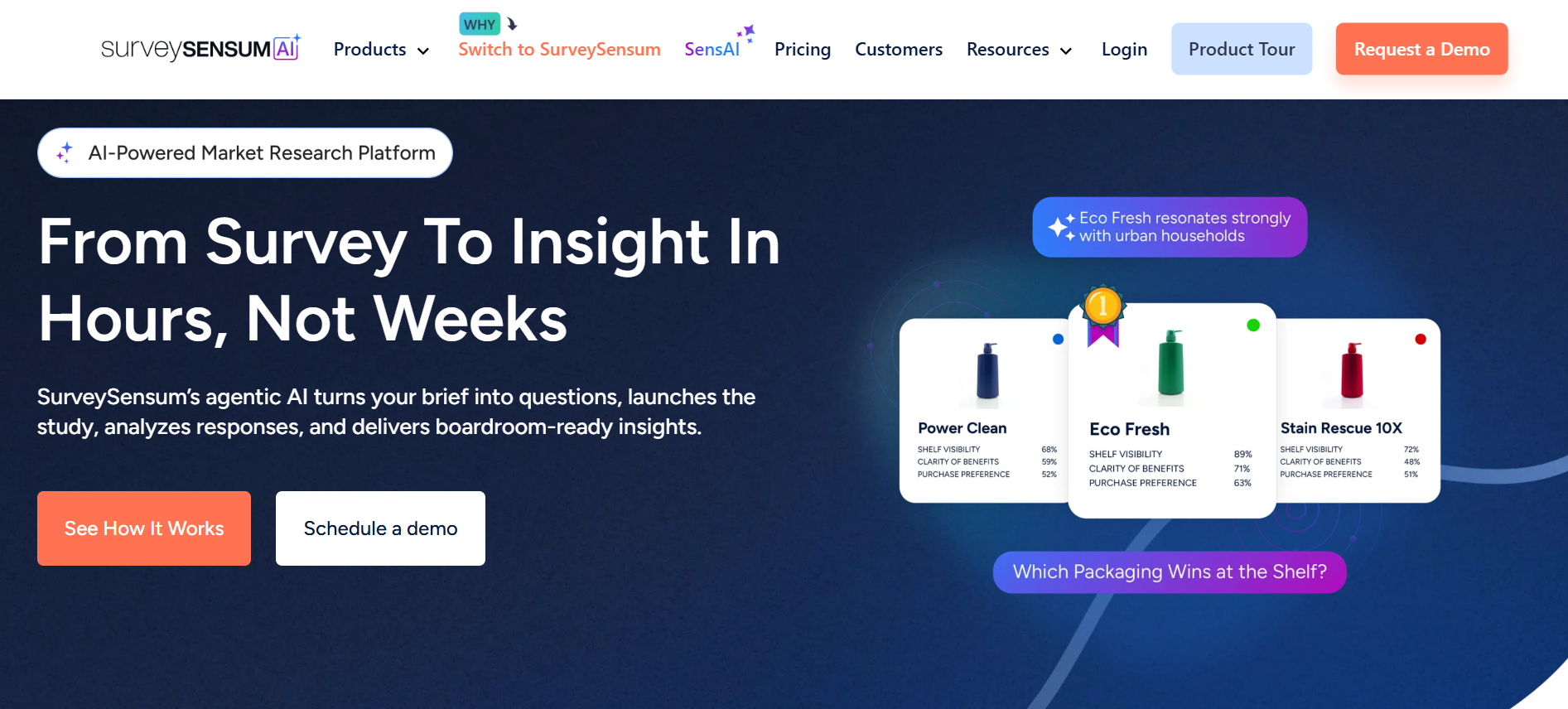
Best for: Teams that want fast, AI-led market research without heavy research ops
SurveySensum is built differently.
Most tools add AI as a feature.
SurveySensum builds AI into the workflow itself.
👉Its core promise is simple: move from survey to insight in hours, not weeks
That makes it a strong fit for teams that want to reduce effort across the entire research process – not just one part of it.
Why SurveySensum stands out
- AI turns a research brief into a structured questionnaire
- Built for speed without compromising research quality
- Covers multiple use cases:
- concept testing
- ad and campaign validation
- product and feature research
- usage and attitude studies
- SensAI supports:
- questionnaire creation
- data quality checks
- open-ended analysis
- faster reporting
Good fit for
- Teams that want one system from survey → insight → reporting
- Product, marketing, and insights teams running frequent research
- Companies that want less dependency on agencies
Watchouts
- If you need a highly specialized tool for only one part of the workflow, niche tools may still be relevant
2. Quantilope
Best for: Teams running structured, methodology-heavy research
Quantilope is strong when your research is heavily quantitative and follows defined frameworks. If your team relies on advanced methodologies and wants automation around those, it can be a good fit.
Where it works well
- Structured quant studies
- Teams with strong research expertise
- Methodology-driven workflows
Where it can fall short
- Less flexible for fast, iterative research
- Not built for teams that want to move quickly from idea to insight
👉 If your priority is speed and simplicity over structured frameworks, tools like SurveySensum may be a better fit.
3. Qualtrics
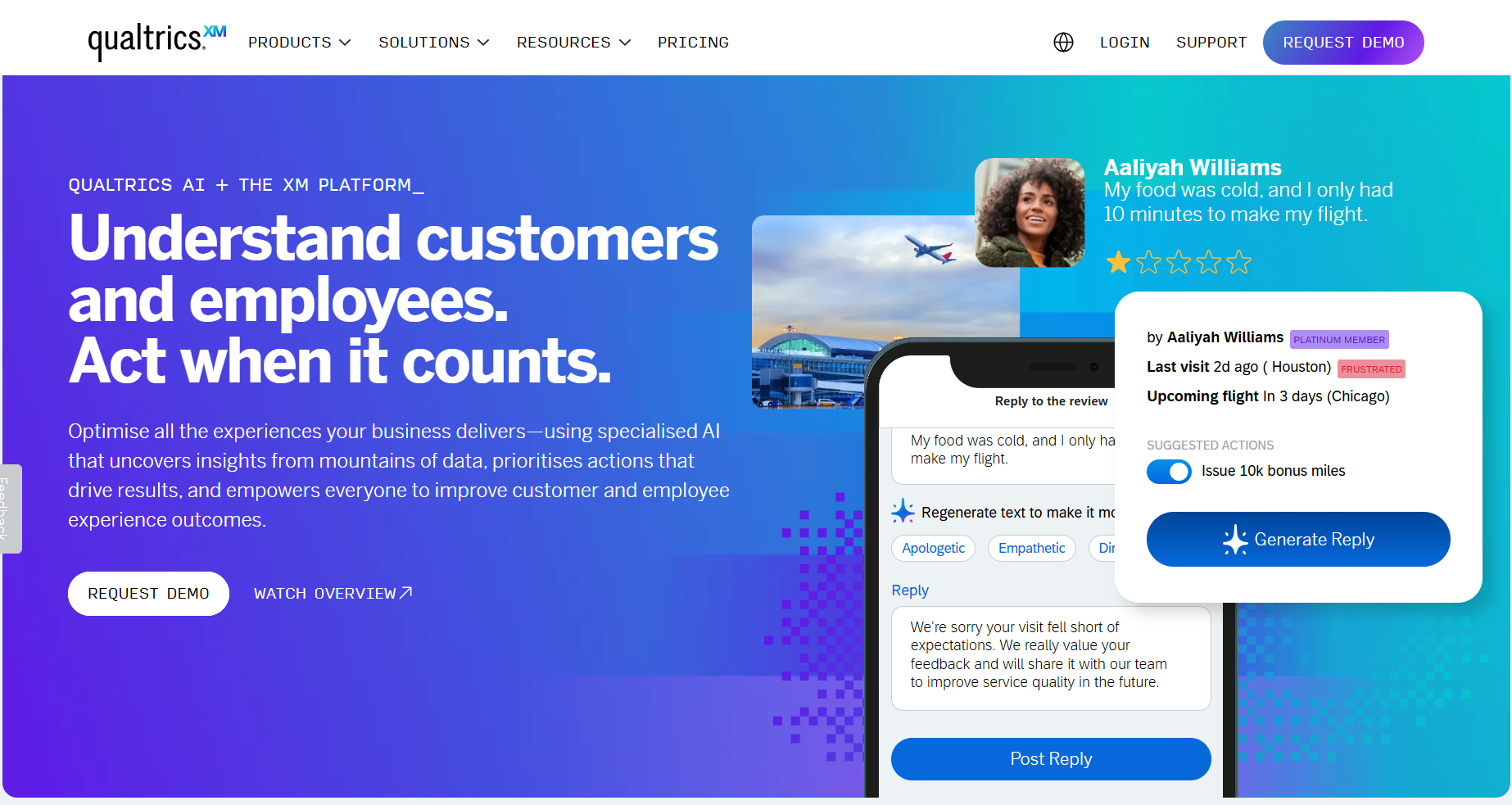
Best for: Large enterprises with complex research programs
Qualtrics is one of the most established platforms in this space. It’s designed for organizations that need:
- scale
- governance
- multiple teams and workflows
Where it works well
- Enterprise-level research programs
- Large teams with dedicated research functions
- Complex, multi-layered setups
Where it can fall short
- Can feel heavy for teams that want to move fast
- Often requires more setup, support, and internal alignment
👉 If your team is smaller or wants faster turnaround without heavy implementation, SurveySensum is easier to get started with.
4. SurveyMonkey
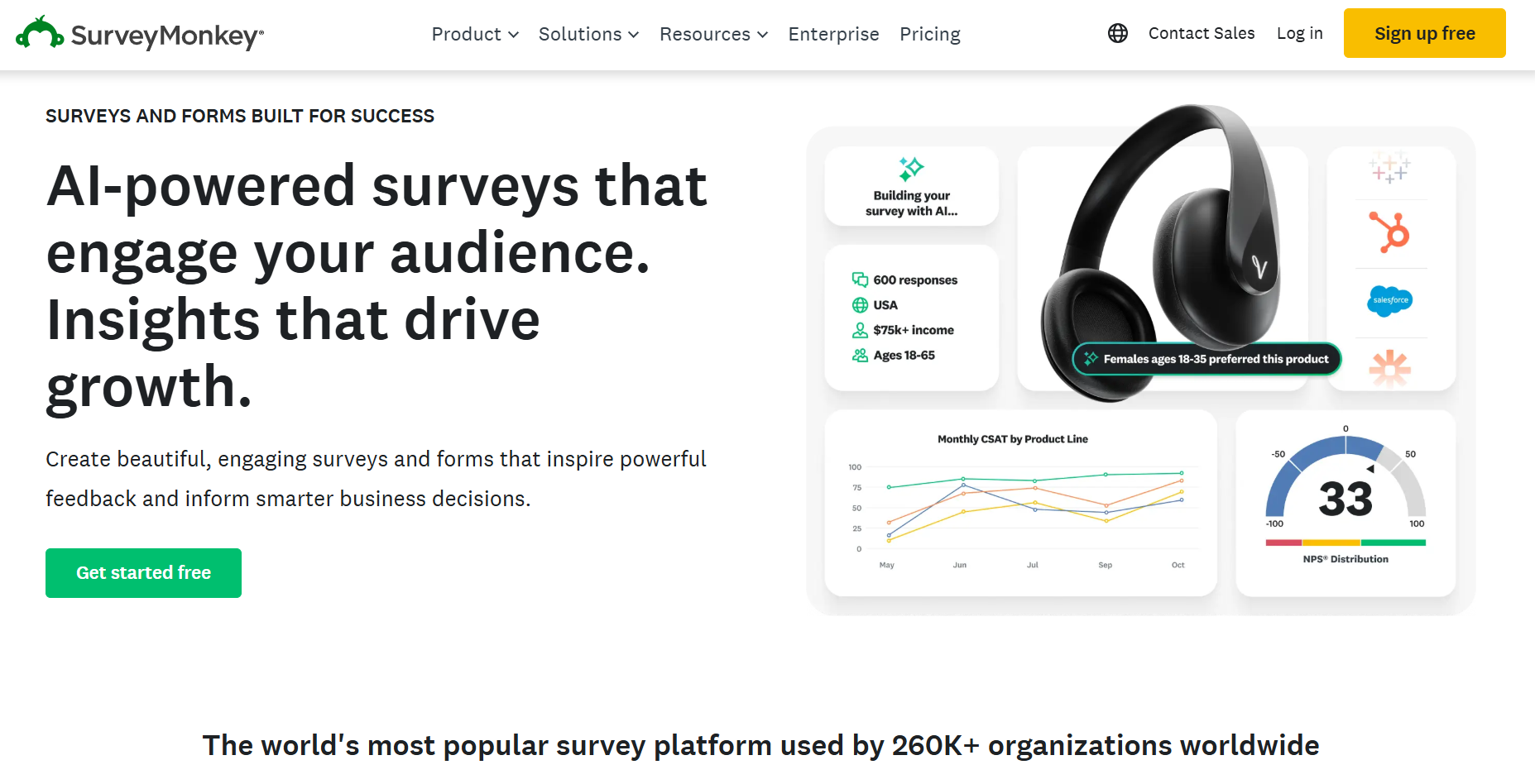
Best for: Simple, survey-led research
SurveyMonkey is often the starting point for teams getting into research. It’s easy to use and works well for basic survey needs.
Where it works well
- Quick surveys
- Non-research teams
- Simple feedback collection
Where it can fall short
- Limited when you need deeper analysis
- Not built for end-to-end research workflows
👉 If you’re moving beyond basic surveys into structured research and faster insights, platforms like SurveySensum offer more depth.
5. GWI Spark
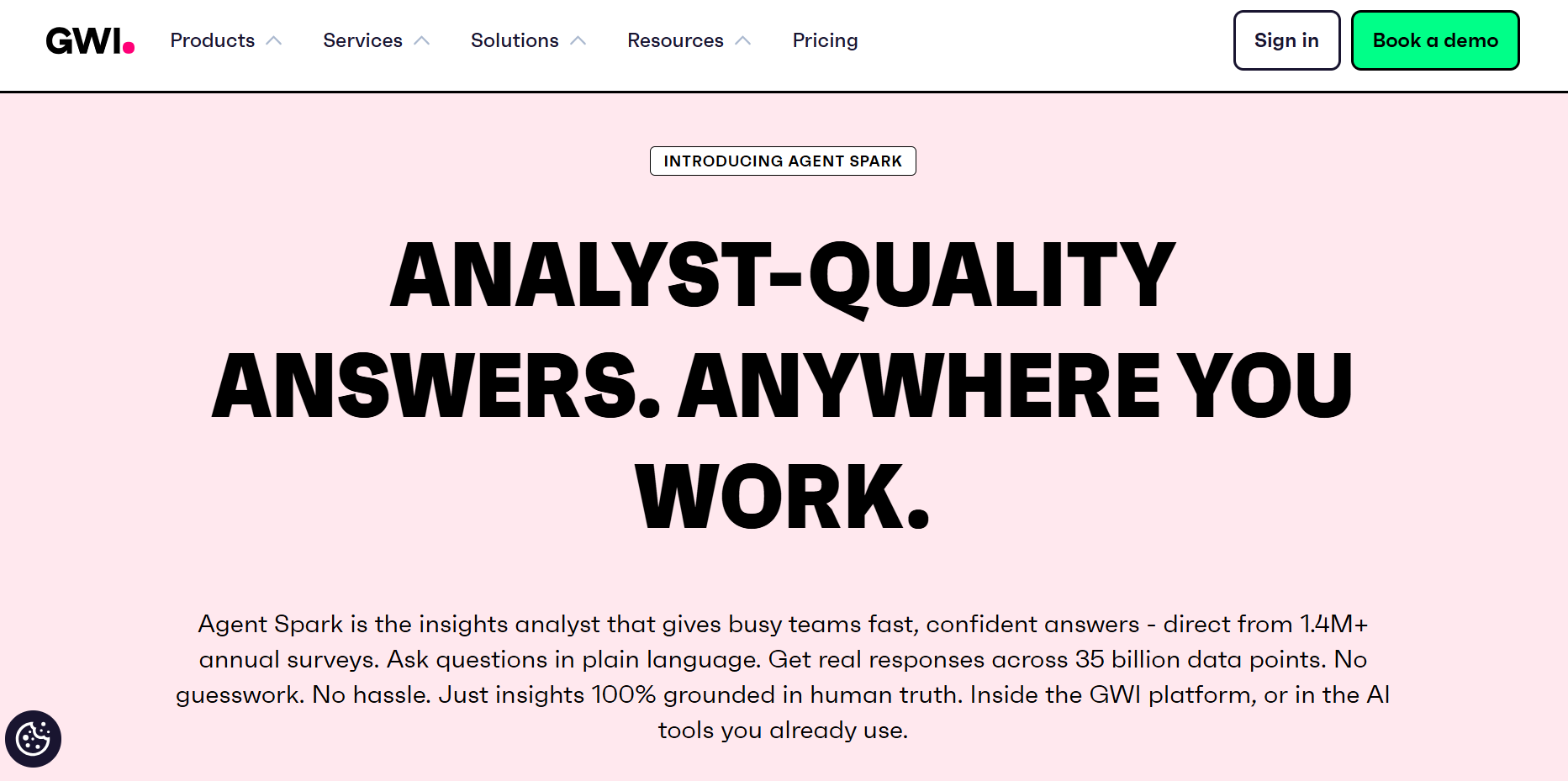
Best for: Understanding audiences and market trends
GWI is useful when your starting point is: “Who is my audience?” It focuses more on consumer data and audience insights than running surveys.
Where it works well
- Market exploration
- Audience profiling
- Consumer trend analysis
Where it can fall short
- Not a full survey → insight workflow
- Limited if you want to run your own research studies
👉 If your goal is to run surveys and generate insights directly, SurveySensum is more aligned.
6. Zappi
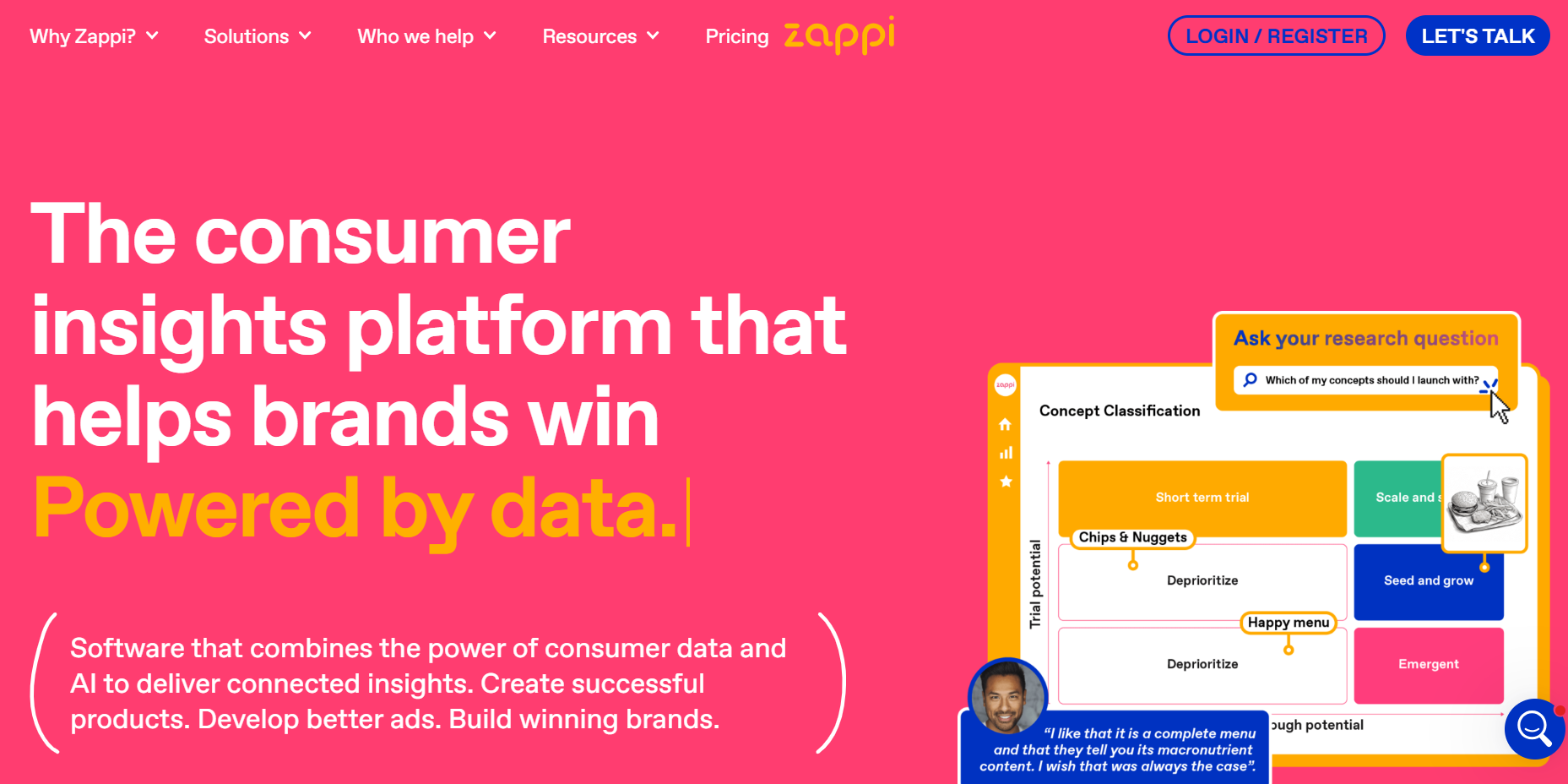
Best for: Concept testing and campaign validation
Zappi is focused on helping teams test ideas quickly, especially in marketing and innovation.
Where it works well
- Ad testing
- Concept validation
- Innovation workflows
Where it can fall short
- More use-case specific
- Not designed as a flexible, end-to-end research platform
👉 If you want one system that supports multiple research use cases, SurveySensum gives more flexibility.
7. Suzy
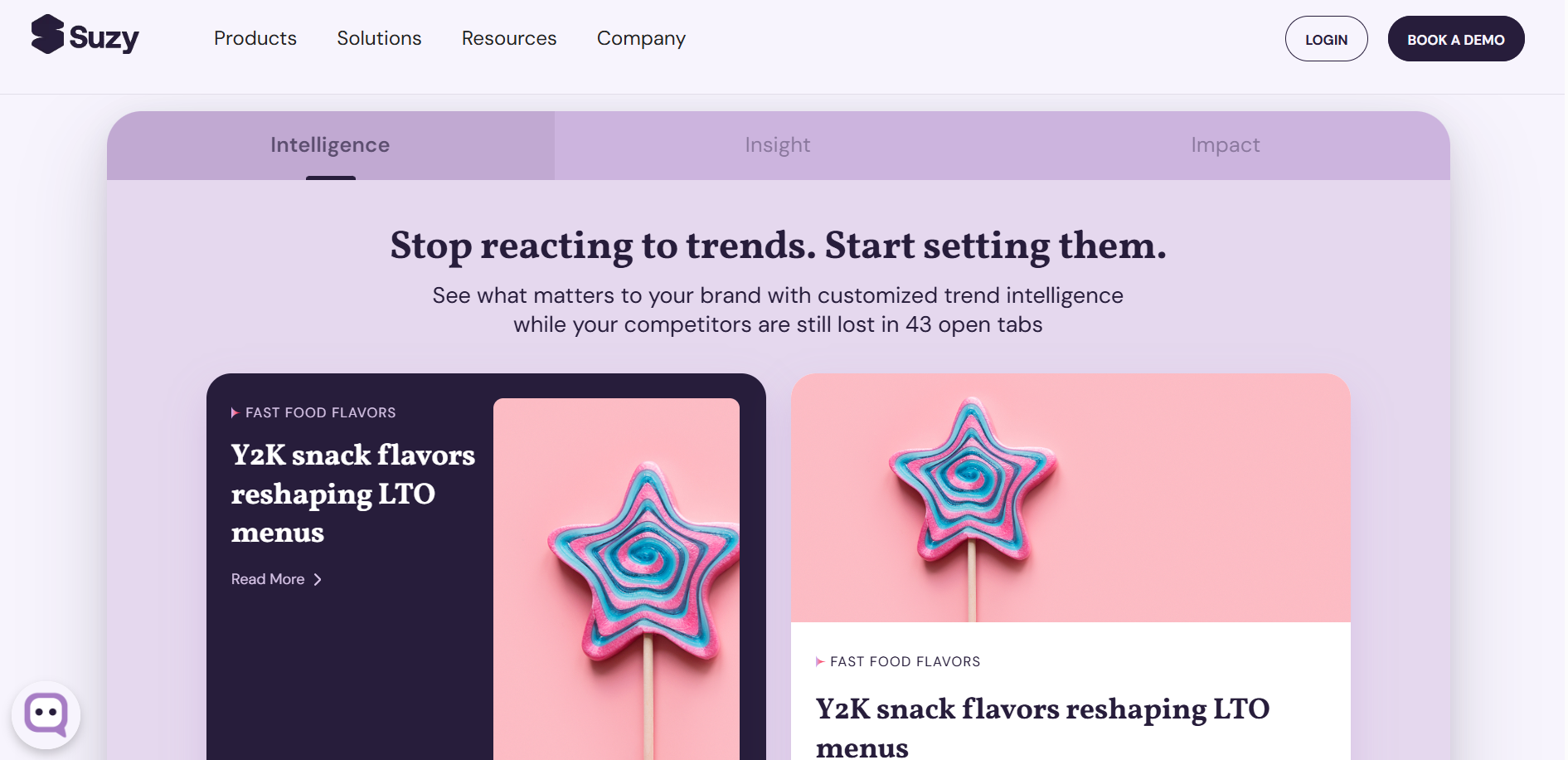
Best for: Fast, quick-turn insights
Suzy is built for speed – especially when you need quick answers from consumers.
Where it works well
- Rapid feedback
- Quick validation
- Time-sensitive decisions
Where it can fall short
- Less depth for structured research
- Not ideal for full research workflows
👉 If you need both speed and depth, SurveySensum balances both.
8. Remesh
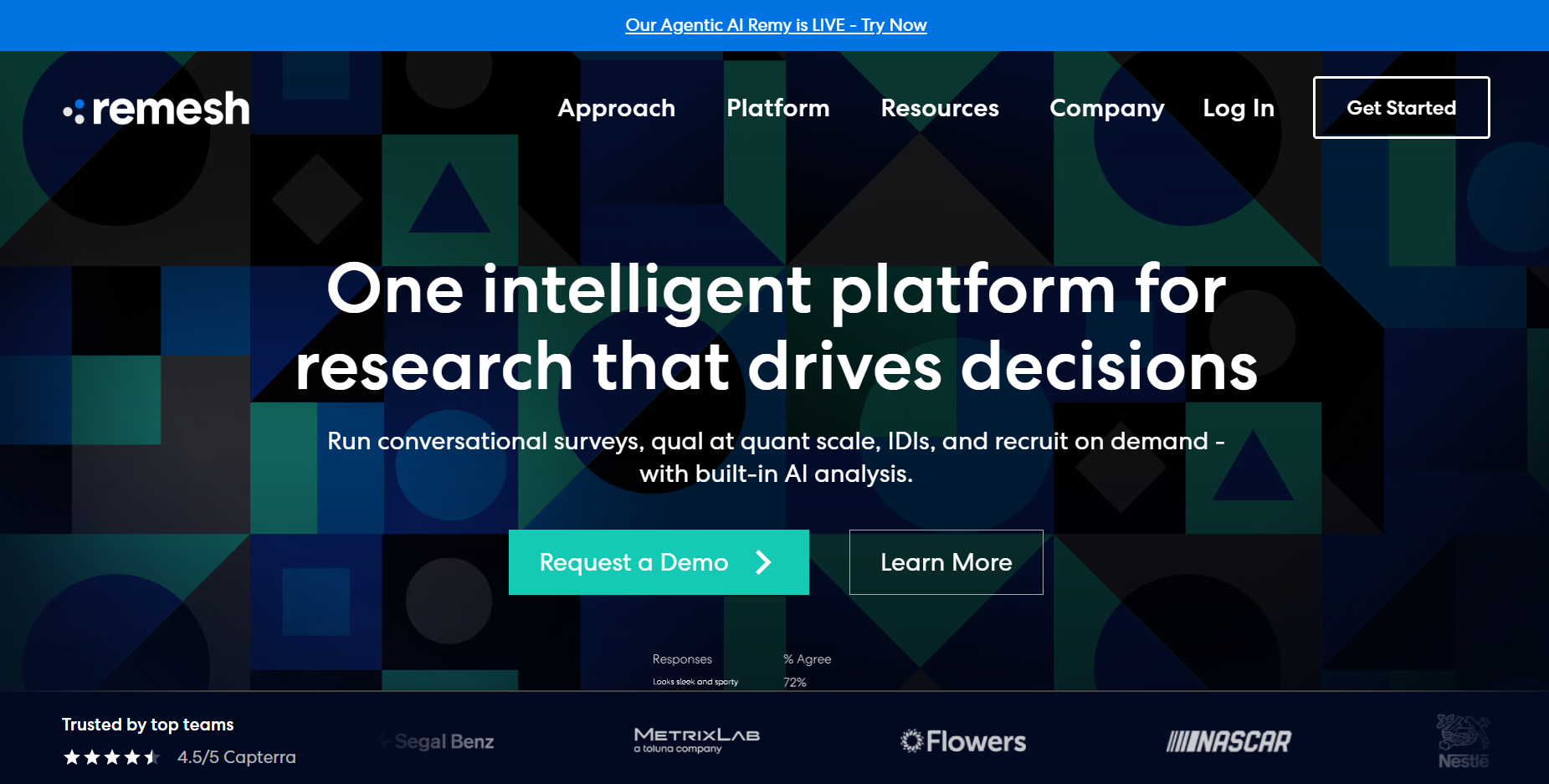
Best for: Large-scale qualitative research
Remesh focuses on conversations rather than surveys. It helps teams gather qualitative insights at scale.
Where it works well
- Discussion-based research
- Qualitative insights
- Group feedback
Where it can fall short
- Not ideal for structured survey research
- Limited for quant-heavy workflows
👉 If your research involves both structured surveys and open-ended analysis, SurveySensum is more balanced.
9. Displayr
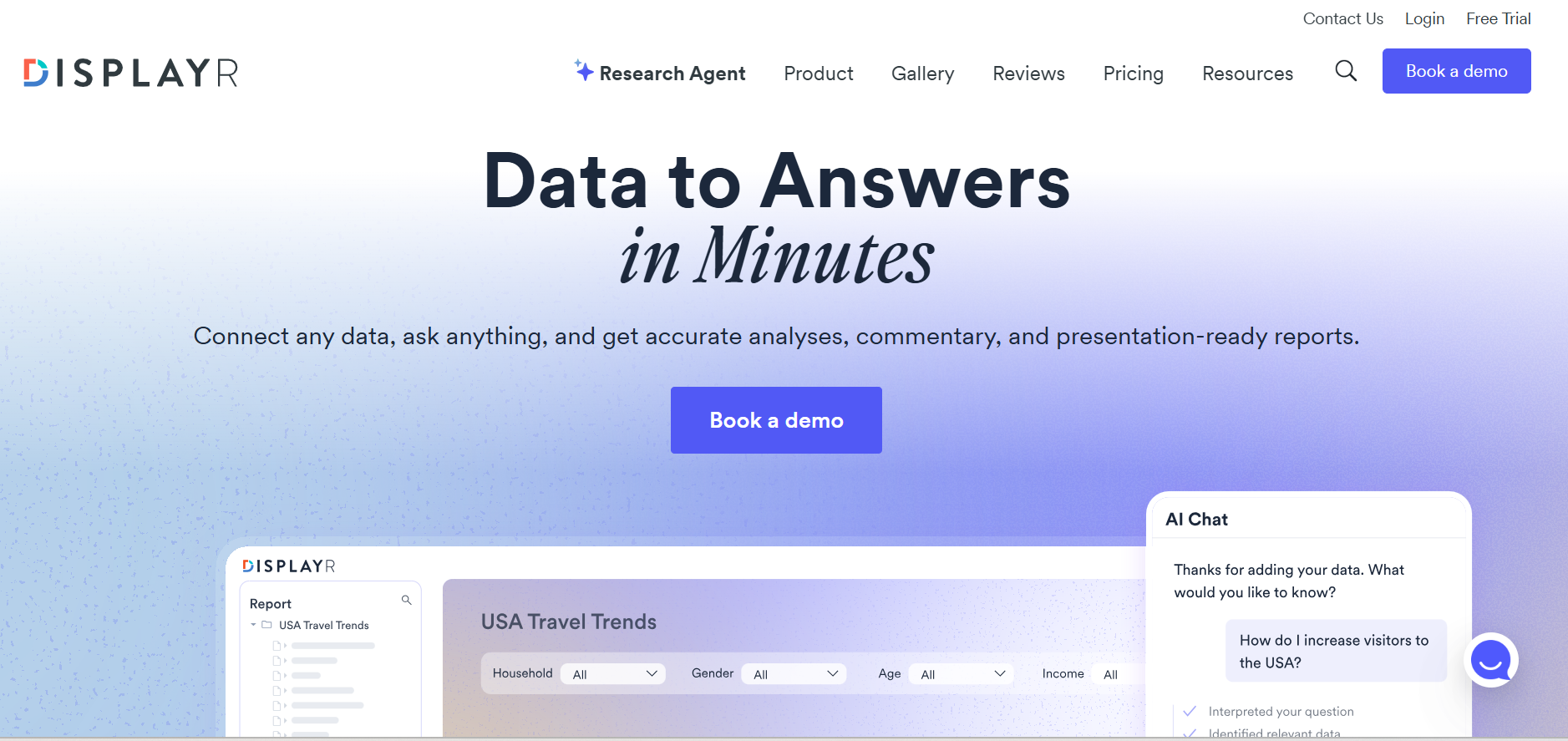
Best for: Analysis and reporting
Displayr is more of an analysis layer than a research execution platform.
Where it works well
- Data visualization
- Reporting
- Advanced analysis
Where it can fall short
- Not built for survey creation or data collection
- Requires other tools upstream
👉 If you want one platform from survey to insight, SurveySensum is a better fit.
Which AI market research platform should you choose?
The answer depends on where your team loses time today.
Choose SurveySensum if:
- You want end-to-end research in one platform
- You want AI to reduce effort, not just assist
- You want faster turnaround (hours/days vs weeks)
- You want less agency dependency and more DIY speed
Choose Quantilope if:
- your work is heavily quant-focused
- automated methodologies matter most
Choose Qualtrics if:
- you need enterprise-scale research infrastructure
Choose GWI Spark if:
- audience intelligence and market exploration come before survey execution
Choose Zappi or Suzy if:
- quick-turn concept or consumer feedback matters more than full workflow depth
Choose Remesh if:
- qualitative conversation-led research is your priority
Choose Displayr if:
- reporting and analysis are your biggest bottleneck
Why SurveySensum is a strong choice for modern research teams
Most teams today are not running research just to generate reports.
They’re trying to:
- validate concepts before launch
- test campaigns before budget is committed
- understand customer preferences faster
- and make decisions without waiting weeks
That’s where most research workflows start breaking.
Not because of lack of data.
But because of how long it takes to get to clarity.
This is where SurveySensum is positioned differently.
Instead of adding AI as a feature, it focuses on reducing effort across the entire workflow:
- from brief → to questionnaire
- from responses → to insights
- from data → to decisions
With SensAI built into the system, teams can:
- generate structured surveys faster
- maintain data quality automatically
- analyze open-ended feedback at scale
- and move to reporting without manual effort
→ So the real question is not: “Does this tool have AI?”
→ It’s: “Does this tool reduce the time it takes to go from question to decision?”
If that matters to your team, this is worth exploring:
👉 Explore how SurveySensum reduces research effort across the full workflow.
It’s Not a Research Problem. It’s a Workflow Problem
Most teams don’t struggle with what to research.
They struggle with:
- how long it takes
- how fragmented the process is
- how much manual effort is involved
If your current workflow feels slow, disconnected, or dependent on too many steps – it’s probably not a research problem.
It’s a workflow problem.
And switching tools won’t help.. unless the platform actually reduces effort across the entire process.
The right platform does not just help you collect answers. It helps you get to confident decisions with less effort.
👉 Explore how SurveySensum helps you move from question to decision faster
Frequently asked questions
What is an AI market research platform?
An AI market research platform is a research tool that uses AI to help with tasks like survey creation, data quality checks, analysis of open-ended feedback, summarization, and reporting. The broader category is increasingly being defined around faster insight generation and lower manual effort.
What is the difference between market research software and AI market research platforms?
Market research software is the broader category. It can include survey tools, audience intelligence platforms, reporting tools, qualitative research tools, and testing platforms. AI market research platforms are the subset that use AI to make the workflow faster and more efficient.
Which AI market research platform is best for fast DIY research?
If your priority is moving from brief to survey to insight quickly, SurveySensum is one of the strongest options because its MR platform and SensAI are positioned around fast setup, automated quality, and quicker reporting.
Is SurveySensum only for CX, or can it also be used for market research?
SurveySensum now has a dedicated AI-powered market research platform and a dedicated AI layer for research workflows, so it is clearly being positioned for market research use cases in addition to CX.
Explore how SurveySensum helps you move from question to decision faster
Free Forever • No Feature Limitation • No Credit Card Required • Sign Up For Free 


Increase ROI by 3x with targeted feedback & analysis
Boost Customer Satisfaction by up to 20%
Reduce Churn by identifying pain points in real time
See it in Action
Contents
How much did you enjoy this article?